


Dubai’s expanding specialty coffee scene has made cafés everyday social spaces for residents, visitors, workers, and creative communities. Single-origin coffee, varied brewing methods, thoughtful interiors, and locally responsive menus help cafés serve as places to meet, work, relax, and explore neighborhoods.
As competition grows, cafés are balancing hospitality, consistent quality, accessible design, remote-work needs, and community-building with responsible sourcing, waste reduction, and sustainable operations. Their future depends on combining distinctive concepts with practical management and reliable service.
Dubai’s café culture has expanded in step with the city itself. As new residential districts, business hubs, and waterfront communities take shape, cafés have become familiar meeting points beyond traditional hotel lounges and shopping centres. The city’s international population brings habits and expectations from many coffee-producing and coffee-drinking cultures, while a steady flow of visitors sustains demand for distinctive places to pause. In this changing landscape, coffee is no longer only a quick purchase between appointments or a polished amenity for hotel guests. For many people, it is part of the daily rhythm: a morning stop, a work break, or a reason to explore a neighborhood on foot.
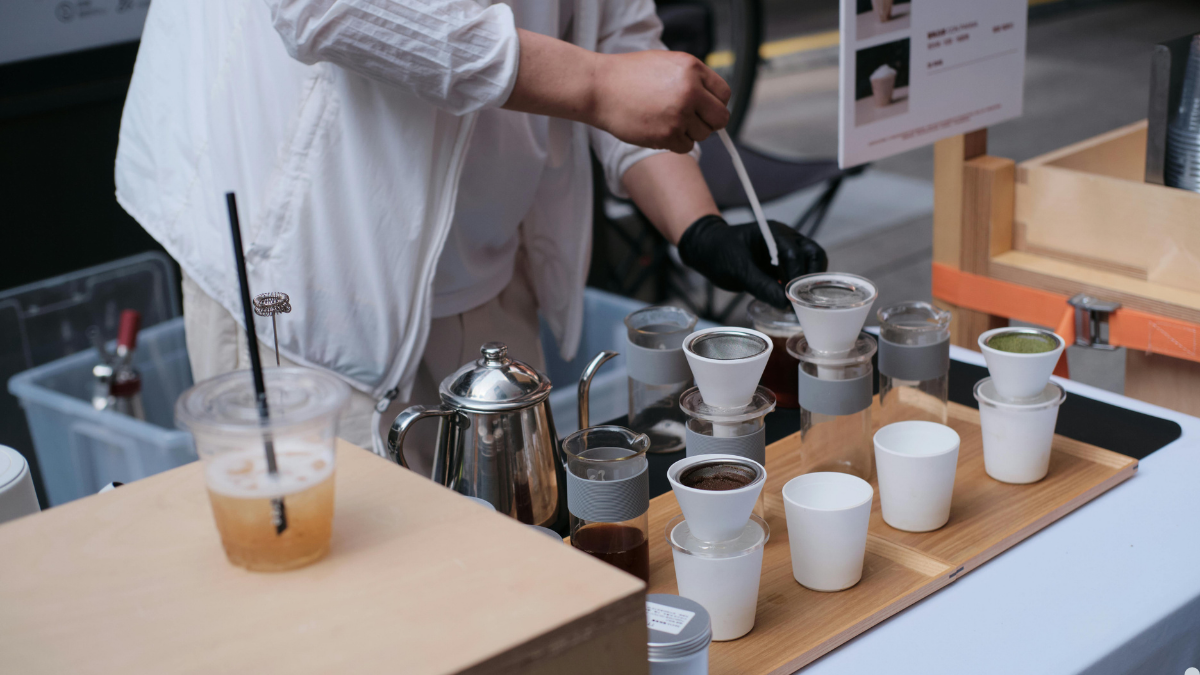
Specialty coffee has helped shape this shift by making attention to the cup part of the experience. Cafés increasingly present single-origin beans, explain where they were grown, and select roast profiles that bring out particular qualities, from bright fruit notes to chocolate-like depth. Baristas’ skills are visible in methods such as espresso, pour-over, and cold brew, each offering a different texture and pace. These choices invite customers to discover preferences rather than simply order a standard drink. They also connect Dubai’s cafés to global coffee movements, while leaving room for local tastes, including strong, sweet, and spice-inflected preparations.
This evolution is about more than an increase in café numbers. Thoughtfully chosen interiors and welcoming service encourage people to stay, meet, work, or watch the city move around them. A café can offer a calm counterpoint to Dubai’s speed, yet reflect its energy through international menus, contemporary design, and constant experimentation. Visitors can use cafés to encounter neighborhoods beyond major attractions, while residents make them part of familiar routines. In this way, specialty coffee becomes part of how people navigate and experience Dubai. Its cafés are not merely destinations for a drink, but everyday social spaces that give the city a more personal scale.
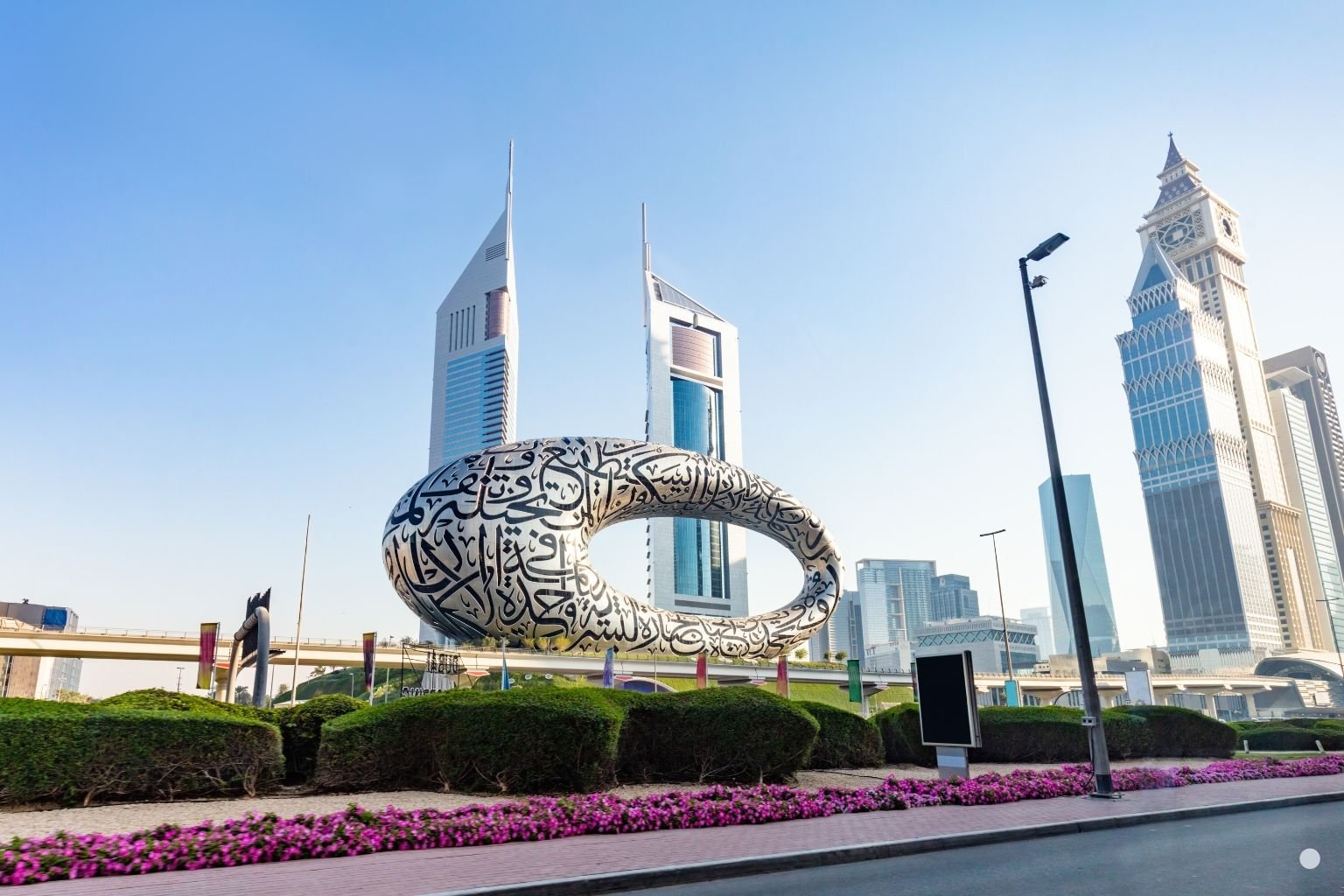
In Dubai, café design is part of the experience, shaping how people use a space as much as how it looks. A restrained palette, uncluttered surfaces, and soft lighting can create a calm setting for focused coffee tasting, while exposed concrete, metal details, and brighter illumination may lend an industrial room a more energetic feel. Leafy courtyards and shaded terraces offer another kind of character, connecting a café to the outdoors while providing relief from the city’s heat. Some concepts also adapt converted buildings or unusual architectural forms, making the setting itself part of the visit.
Practical choices help determine whether guests stay briefly or settle in. A counter near the entrance, clear circulation, and accessible takeaway seating support quick stops. Comfortable chairs, tables with space for conversation, and warm, even light encourage longer visits. Acoustics matter too: soft furnishings and thoughtful spacing can make conversation easier, whereas hard surfaces and closely packed tables may create a livelier, louder atmosphere. Materials—from timber and stone to locally familiar textures—contribute not only to visual identity but also to how welcoming and comfortable a venue feels.
Homegrown concepts can give these design decisions a more specific point of view. Menus that draw on regional ingredients, neighborhood preferences, or local food traditions can connect the coffee offering to its surroundings. Visual references may respond to Dubai’s climate through shade, planting, and indoor-outdoor transitions, while reflecting the city’s cultural mix without reducing it to a single motif. A café’s identity can also emerge through service, sourcing, and its relationship with nearby residents. This sense of place distinguishes a considered concept from generic interiors that could belong anywhere. Strong design need not depend on dramatic décor: when layout, menu, materials, and hospitality work together, even a modest space can feel memorable and closely tied to the city around it.
In Dubai, specialty cafés often serve several social purposes at once. They are places where friends meet between errands, families pause during a busy day, and colleagues catch up outside the office. For regulars, a familiar counter, a preferred drink, and a greeting from staff can make a café feel like a neighborhood stop, even in a city shaped by continual change. These everyday encounters turn coffee shops into useful community spaces, not merely places to buy a beverage.
The city’s diverse communities bring varied customs and expectations to these venues. Some customers seek a quick takeaway, while others value long conversations, shared meals, or a quiet moment alone. A common interest in carefully prepared coffee can provide an easy point of connection across languages and backgrounds. Cafés also support informal creative exchange: designers may discuss a project, entrepreneurs compare ideas, and artists meet collaborators in a setting that feels less formal than a workplace.
Remote work has added another layer to café life. For independent workers, a change of scenery can restore focus, while reliable coffee and the presence of other people make solitary tasks feel less isolating. Wi-Fi and power outlets allow customers to answer messages, attend to deadlines, or work between appointments. Yet the arrangement can create friction. Limited seating, conversation and equipment noise, and peak-hour queues affect both workers and social customers. A long stay may also raise an unspoken question about whether another purchase is expected.
Thoughtful design and clear communication can help balance these needs. Separate zones for conversation and quieter work, along with comfortable but functional furniture, give customers more appropriate choices. Accessible power and dependable Wi-Fi support work without requiring every seat to become an office. Clearly stated house norms—such as time limits during busy periods or expectations around repeat orders—make the arrangement fairer. Staff awareness matters too: attentive service can manage crowding without making either workers or groups feel unwelcome. With practical planning, cafés can remain lively meeting places while accommodating focused work and preserving the quality of service.
A café experience begins before the first sip: clear signage, easy entry, and a warm greeting establish confidence. Staff should explain coffee origins, roast profiles, and brewing methods without making expertise feel intimidating. Consistency matters just as much; a carefully prepared drink should meet expectations whether ordered during a quiet morning or a busy afternoon. Menus benefit from plain descriptions, visible prices, and choices for different preferences. Efficient service keeps queues moving, while thoughtful food options and suitable seating make a short coffee stop comfortable for longer visits. Convenient locations, accessible layouts, and reliable opening hours help welcome a wider range of customers.
In Dubai, international service standards can sit comfortably alongside hospitality that feels personal and locally attentive. Baristas who remember regulars’ preferences, answer questions, and offer considered recommendations turn transactions into relationships. Explaining a bean’s origin or the differences between brewing methods gives customers useful knowledge and a reason to return. Seasonal drinks and rotating coffees create discovery, while well-made tea, chocolate, and other non-coffee choices make the café inclusive for groups with varied tastes. Loyalty built this way is more durable than attention driven only by fashionable interiors or social-media visibility. It strengthens the wider coffee community and gives local cafés a distinct identity.
The next stage of Dubai café culture will bring opportunities as well as pressure. Customers and operators are paying closer attention to responsible sourcing, waste reduction, and climate-conscious choices, from energy use to packaging. These efforts need to be practical and transparent, supported by good service and products rather than vague claims. At the same time, rising competition and expansion can make it harder to protect quality, train staff, and preserve a concept’s character. Cafés that grow sustainably will need sound pricing, dependable suppliers, and operations that support skilled work. The strongest local destinations are likely to balance craft, design, community, and commercial realities, offering a consistently welcoming experience as the scene evolves.