


Dubai attracts exhibitions, conferences and corporate events through its international air connectivity, commercial role and range of venues. Airports, hotels, exhibition halls, transport services and visitor facilities support gatherings involving participants from the Middle East, Asia, Africa and Europe.
The city’s hospitality and multicultural business environment can support varied delegate needs, while structured networking, business meetings and knowledge exchange create opportunities for partnerships. Successful events still depend on planning travel, visas, venue suitability, accessibility, cultural considerations, catering, schedules and clear business goals.
Dubai occupies a position between major markets in the Middle East, Asia, Africa and Europe. For event organisers, this geography can make the city a practical meeting point for participants travelling from different directions. Its location does not remove the time, cost or visa considerations involved in international travel, but it offers a central base for planning regional and cross-border gatherings. Attendees can connect through Dubai’s air links and continue to business destinations across nearby markets, depending on their routes and schedules. This accessibility is useful when a programme brings together speakers, clients, suppliers and colleagues from multiple regions.
Dubai has developed as a regional commercial hub, with activity across sectors including trade, finance, logistics, technology and tourism. That business environment gives conferences and exhibitions a setting where professional discussion can connect with active markets and potential partners. Companies operating across borders may use events to introduce products, meet distributors, assess suppliers or maintain relationships, while public and industry organisations can convene around shared regional priorities. The city’s international outlook is also reflected in its resident business community and visitor-facing services, which accommodate people with varied languages, customs and expectations. Events can therefore serve audiences whose interests extend beyond a single national market.
Access is only one part of Dubai’s appeal as an events destination. Purpose-built venues, hotels, transport options and visitor services help organisers manage the practical demands of hosting delegates, exhibitors and corporate teams. These facilities can support different formats, from large trade showcases to focused business meetings, while the city’s dining, accommodation and leisure options give visitors ways to plan time around the formal programme. Together, connectivity, infrastructure and commercial activity create opportunities for face-to-face exchange. Dubai’s value as a global meeting point rests on this combination: it brings people within reach of several markets and provides settings and services that help turn attendance into useful business connections.
Dubai’s international reach is a practical advantage for events that bring together participants from multiple regions. Dubai International Airport and Al Maktoum International Airport connect the emirate with destinations worldwide, while frequent services can offer delegates a broad choice of routes and arrival times. This connectivity may simplify attendance for executives, exhibitors and visitors, although flight schedules, visa requirements and seasonal demand still need consideration. Organizers should identify the likely origins of their audience early, then assess suitable flight options and arrival patterns. Clear pre-event travel guidance can help guests plan transfers, manage luggage and reach registration with fewer uncertainties.
Within the city, attendees can use taxis, ride-hailing services, public transport and private transfers, with the most suitable option depending on the itinerary, group size and budget. Dubai’s Metro serves key districts and some event destinations, while road transport offers direct access to many hotels and venues. Travel time deserves particular attention: traffic, event schedules and the location of accommodation can affect how easily people move between an airport, hotel and event site. Organizers should check realistic journey times at relevant hours rather than relying only on map distances. Sharing recommended routes, pickup details and contingency plans can support smoother arrivals and transitions.
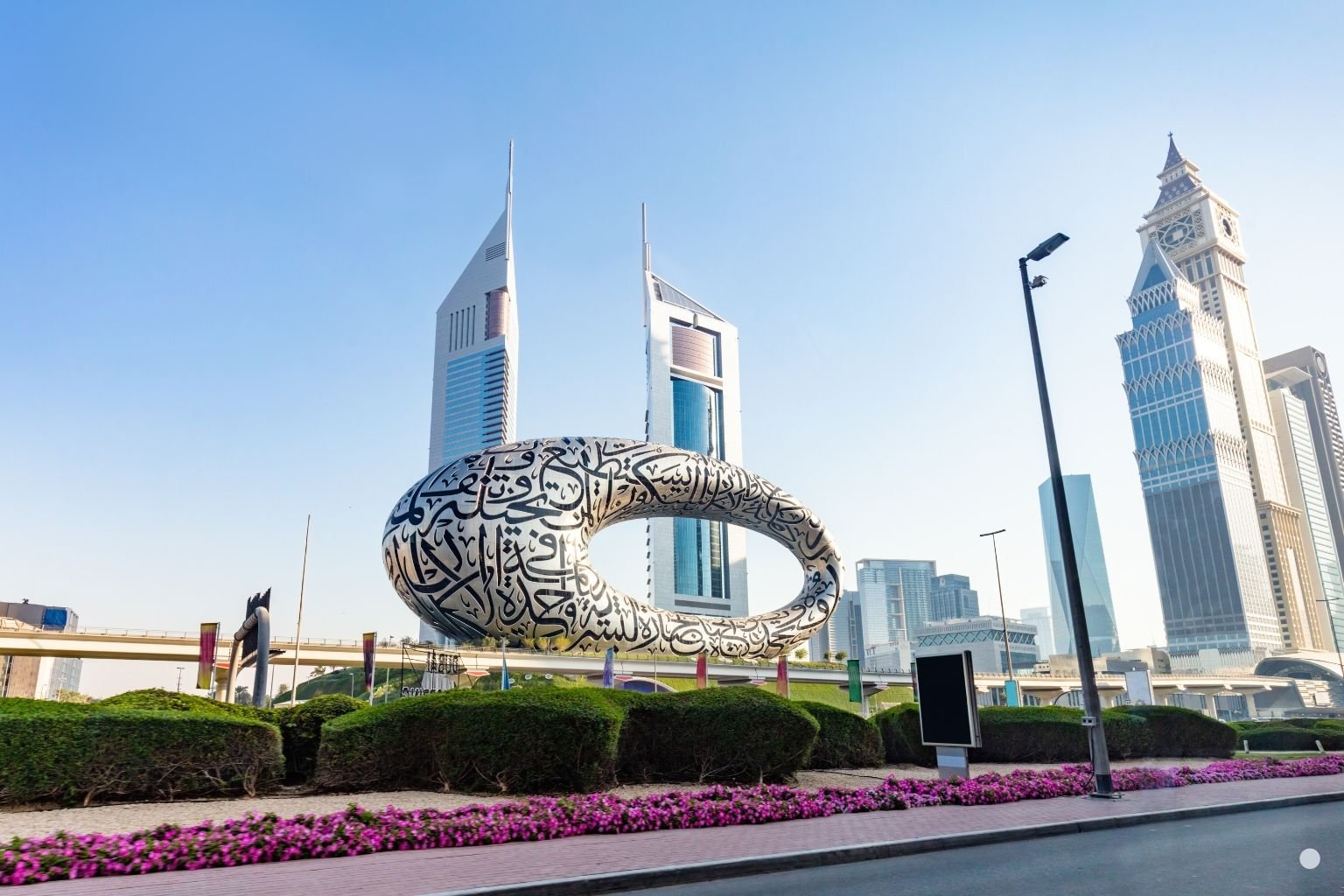
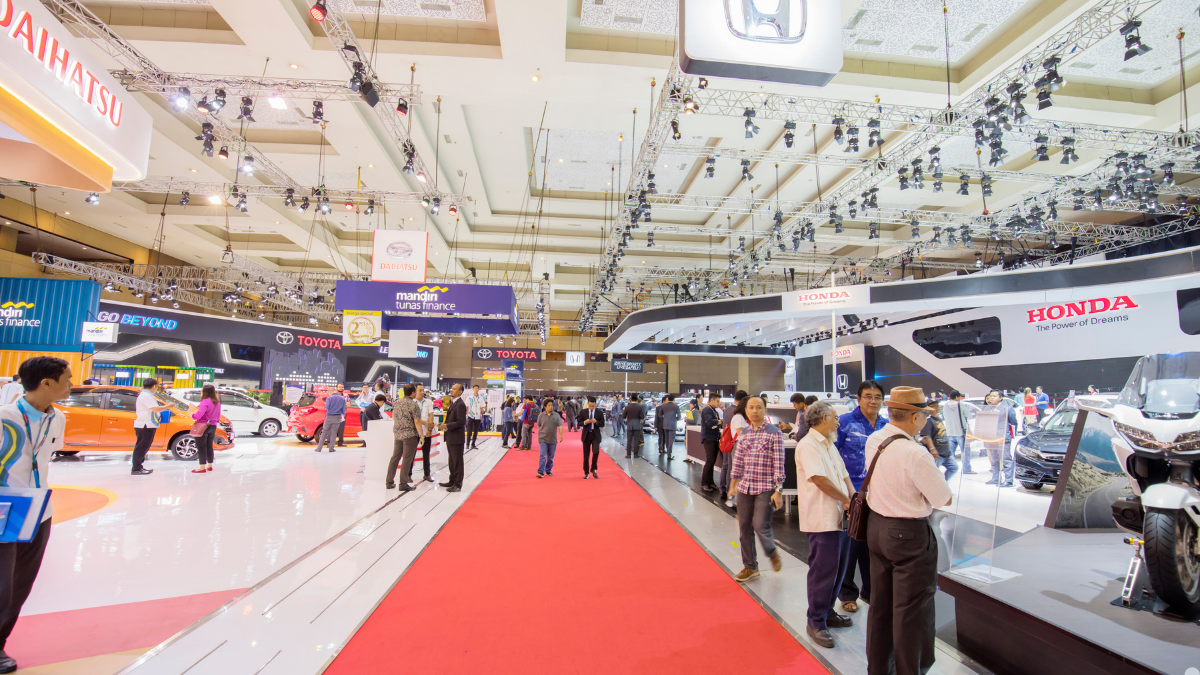
The venue landscape includes large exhibition halls and convention facilities, hotels equipped with meeting rooms and ballrooms, and distinctive settings suited to receptions or corporate functions. These options allow planners to consider different event formats, from trade fairs and conferences to executive meetings and networking programmes. Venue selection should reflect expected attendance, room layouts, accessibility needs, catering arrangements and the technical requirements for staging, sound, lighting and connectivity. A prominent address alone does not ensure a suitable fit: capacity, circulation, setup time and transport access also matter. Comparing these factors early helps organizers choose a location that supports the audience and purpose of the event.
For delegates arriving in Dubai, the visitor experience can be shaped around a wide choice of accommodation, from hotels beside major exhibition venues to serviced apartments suited to longer stays. Business districts, airports, meeting sites and leisure areas are linked by established transport and hospitality services, giving organizers options for different schedules and budgets. Many venues offer in-house event teams, translation support, technical production and catering, while specialist suppliers can help coordinate registration, transport and delegate needs. These services allow companies to build practical programs without assuming that every participant has the same priorities.
The city’s dining scene includes restaurants serving regional cuisines alongside familiar international choices, as well as hotel and venue catering that can be arranged for particular event requirements. Organizers may request vegetarian, halal, kosher or other dietary options, but should confirm availability, preparation practices and labeling with providers rather than rely on assumptions. Dubai’s multinational resident population and business community also brings a range of languages, customs and professional experience into everyday settings. For international guests, this can make interactions feel more familiar, while still leaving room for individual preferences and differences within any cultural group.
Hospitality is most effective when it is supported by careful planning. Event teams can provide clear directions between venues, accessible routes and facilities, concise information about transport, and assistance contacts that are easy to find. Inclusive programming may involve considering prayer breaks, varied meal times, interpretation, mobility requirements and different expectations around networking or formality. These details should be discussed with participants and suppliers early, since needs vary by person, organization and event format. By combining Dubai’s broad hospitality offer with attentive communication, organizers can create a welcoming setting without treating international attendance as a uniform experience.
Exhibitions, conferences and corporate events can bring companies, entrepreneurs, industry groups and decision-makers into the same place, creating conditions for useful introductions and longer-term collaboration. Participants may meet potential clients, suppliers, investors or partners, while sector organizations can compare experience and identify shared priorities. Presentations, panels and demonstrations also support knowledge exchange by giving attendees access to new research, practices and market perspectives. These benefits help explain the appeal of conferences in Dubai, where international gatherings can connect regional businesses with participants from a wide range of markets.
However, networking value depends on how an event is designed, not simply on its destination. Organizers can use structured matchmaking, curated introductions or meeting schedules to help participants find relevant contacts. Focused discussion sessions and roundtables provide space for substantive exchange, while informal gathering areas make spontaneous conversations easier. Sufficient breaks matter too: an itinerary packed with sessions leaves little time to meet, follow up or move between rooms. Clear event information and accessible networking formats can make participation more productive for both first-time attendees and established industry leaders.
Practical planning begins with defined business goals. Organizers should identify the audiences they need to reach and decide whether success means qualified leads, partnerships, knowledge sharing or another measurable outcome. They should then check venue capacity, room layouts, accessibility and technical provisions, including reliable connectivity, audiovisual systems and support staff. Comparing Dubai event venues against the program and expected attendance can reveal whether spaces will work for plenary sessions, meetings and informal interaction.
Participant travel needs also warrant attention, including arrival options, accommodation, local transfers and any relevant visa or schedule constraints. Plan for cultural inclusion through respectful programming, clear communications, dietary awareness and formats that welcome varied perspectives. Finally, build a realistic schedule with transition time and breaks rather than treating every minute as session time. With thoughtful preparation, corporate events in Dubai can support business networking while delivering a coherent experience for attendees.