


A memorable Dubai hotel stay combines attentive, personalized service with respect for privacy and cultural differences. Staff knowledge, thoughtful guidance on local customs, and prompt assistance help guests feel comfortable, supported, and connected to the destination.
Location, design, dining, technology, and reliable basics should work together to suit each traveler’s purpose. Convenient transport, regional and international food, intuitive digital tools, comfortable rooms, accessibility, and clear communication contribute to a consistent and lasting experience.
A memorable hotel stay often begins before a guest reaches the room. A clear arrival process, a warm greeting, and efficient help with luggage or check-in can ease the transition after a long journey. Attentive service does not require elaborate gestures; it depends on staff noticing what is useful and responding without delay. Knowledgeable team members can explain hotel facilities, answer practical questions, and offer directions with confidence. When information is consistent across the front desk, concierge, and other departments, guests feel supported throughout their visit rather than welcomed only at the door.
Personalization can make that support feel especially meaningful. Remembering a preferred room temperature, a dietary requirement, or a request for a quieter table shows care when handled discreetly and accurately. At the same time, good hospitality balances anticipation with respect for privacy. Staff should offer assistance without presuming what a guest wants, and make it easy to decline further attention. This balance matters in Dubai, where visitors arrive from many countries, with different expectations around conversation, formality, family needs, and personal space. Listening carefully and communicating sensitively helps each guest feel comfortable without reducing them to assumptions about their background.
Cultural understanding also enables staff to share useful context about local customs and Emirati traditions. A thoughtful explanation of appropriate etiquette, dress expectations at a particular venue, or respectful behavior during a cultural visit can help travelers navigate unfamiliar situations with confidence. Such guidance should be offered clearly and without judgment, recognizing that customs vary and guests may have different levels of familiarity. The most effective service feels genuine rather than rehearsed: a sincere welcome, a practical local recommendation, or timely help resolving a small problem can leave a lasting impression. These details turn competent accommodation into an experience guests remember, because they feel both well cared for and respected as individuals.
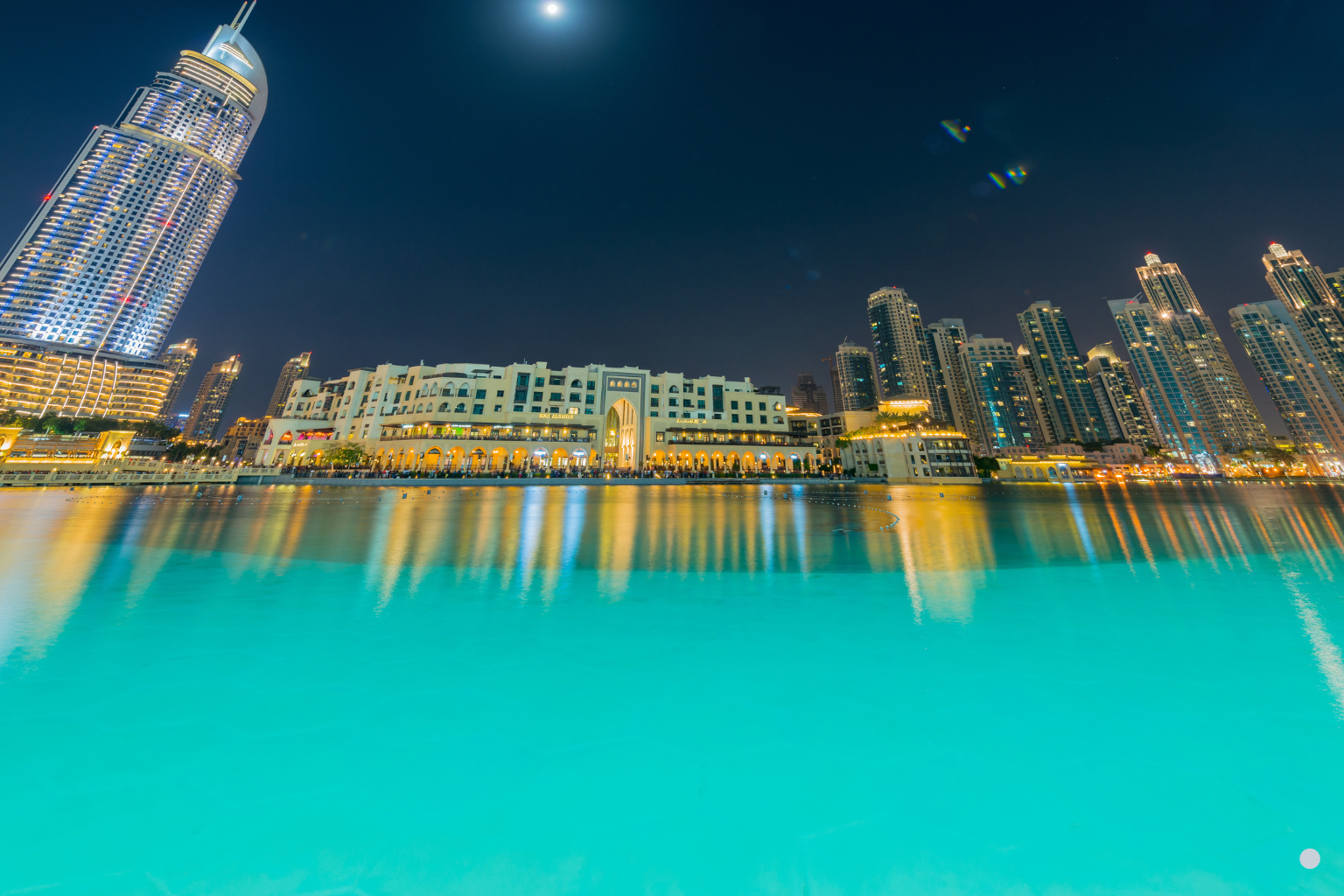
A hotel’s location shapes more than the view from a window; it sets the rhythm of a Dubai visit. A beachfront address may suit travelers seeking easy access to the sea and a relaxed resort atmosphere, while a stay near historic districts can offer a closer connection to the city’s older streets, creekside heritage, and local markets. Business travelers may value proximity to offices and conference venues, whereas shoppers or first-time visitors might prefer convenient access to major malls and headline attractions. The surrounding neighborhood matters too: its pace, dining options, and everyday character influence how a guest experiences the city between planned outings.
Practical connections can make any location more useful. Clear information about nearby metro stations, road links, taxis, and walking routes helps guests estimate journey times and plan confidently, especially in a city where attractions can be widely spread. The best setting depends on the purpose of the trip, not on a universal ranking of districts. A property that minimizes travel for meetings may be less suitable for a beach-focused break, and a quieter neighborhood may appeal to guests who prefer a slower pace. Matching the hotel to the itinerary can reduce unnecessary transit and leave more time for the experiences that matter.
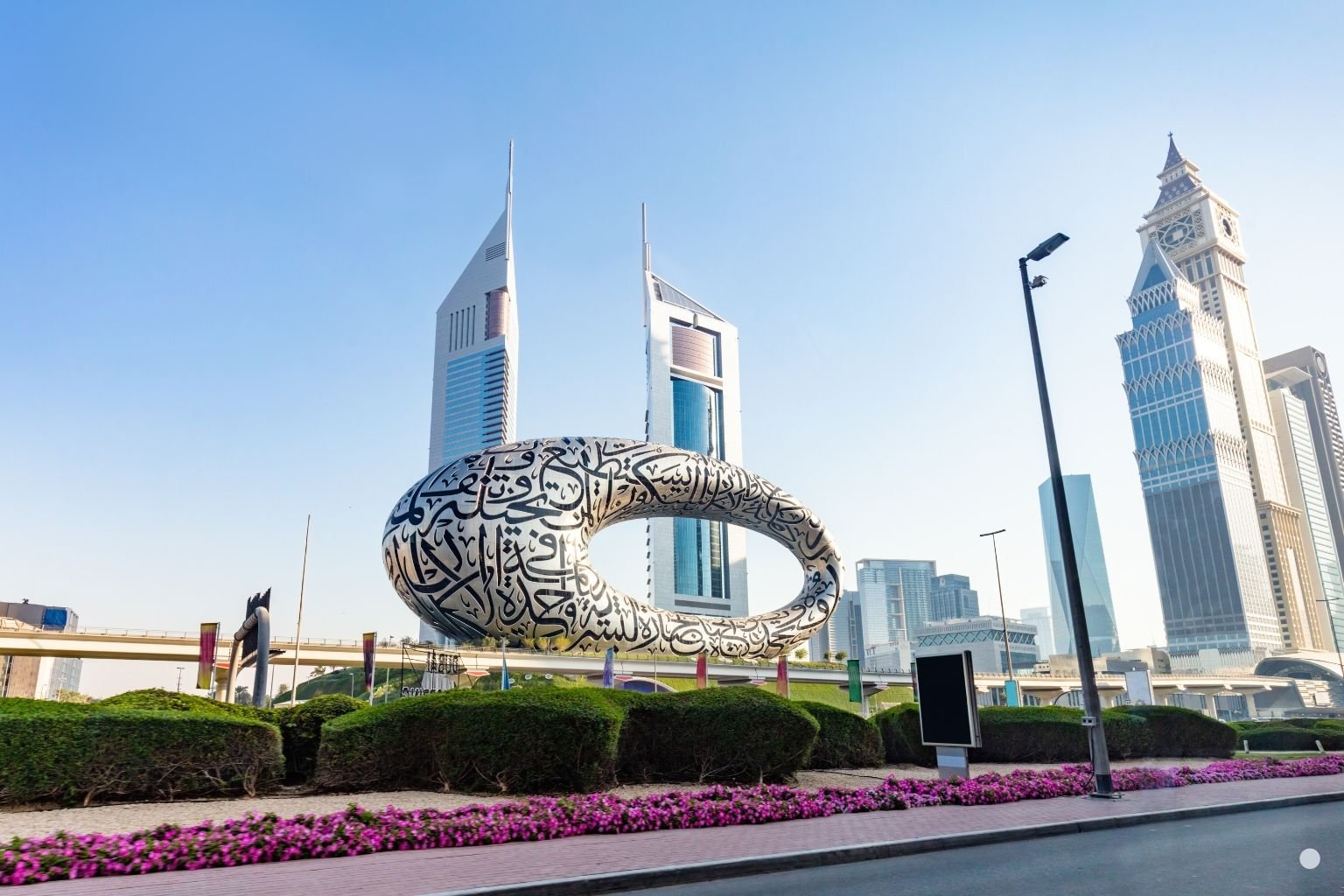
Design can deepen that sense of place when it responds thoughtfully to Dubai’s environment and cultural context. Contemporary architecture may sit alongside regional forms, patterned screens, tactile materials, filtered light, and carefully framed views of the sea, skyline, or desert landscape. These choices are most effective when they serve both appearance and comfort: providing shade, privacy, intuitive circulation, and inviting places to rest. Meaningful local influence is different from relying on decorative clichés. Considered layouts, useful amenities, and details informed by the region can give a hotel a coherent identity without turning culture into a theme. When location and design work together, guests feel connected to their surroundings as well as well accommodated, making the stay more distinctive and memorable.
Dining can become one of the defining parts of a hotel stay when quality and consistency extend beyond a single impressive meal. A well-prepared breakfast gives guests a dependable start, whether they need a quick coffee before an early meeting or time for a relaxed buffet. Throughout the day, thoughtful room service offers flexibility for travelers with different schedules, while restaurants create settings for leisurely dinners, celebrations, or informal conversations. Menus should provide genuine choice across international favorites and regional dishes, with clear ingredient information and attention to dietary requirements. Emirati food deserves accurate, respectful presentation, not inclusion as a token feature; guests benefit from context about dishes and their place in local culture.
Technology contributes to everyday comfort when it removes friction from routine tasks. Efficient booking and check-in can save time on arrival, while clear, intuitive in-room controls help guests adjust lighting, temperature, and entertainment without confusion. Reliable connectivity supports work, communication, and planning, and accessible service requests make it straightforward to ask for housekeeping, extra amenities, or assistance. Useful guest information—such as dining hours, transport options, and local guidance—should be easy to find and understand, whether provided digitally or by staff. These practical tools can make a stay feel smoother without drawing unnecessary attention to themselves.
The most effective hotel technology complements, rather than replaces, human warmth. A polished app or automated kiosk has limited value if the system is difficult to navigate or help is unavailable when something goes wrong. Intuitive design, clear instructions, and responsive support matter more than novelty. Privacy safeguards are equally important: guests should understand how their information is used and be able to share only what is needed for service. When digital tools work reliably and staff remain attentive, visitors can move easily between independent convenience and personal assistance. Together, considerate dining and well-judged technology support the small daily comforts that shape a memorable stay.
A memorable hotel stay is rarely created by one dramatic feature. A striking skyline view or an elegant lobby may make a first impression, but lasting satisfaction comes when every part of the experience feels consistent. Attentive service, a useful location, thoughtful design, enjoyable dining, and reliable technology should support one another rather than compete for attention.
That coherence depends on fundamentals. Rooms should be clean, beds comfortable, and essential features easy to use. Accessibility matters, as does clear communication about prices, policies, transport, and available services. When something goes wrong, prompt and dependable problem resolution can preserve trust. These practical details give guests the confidence to relax and make the most of their time in Dubai.
Before booking, travelers can assess a hotel against the purpose of their trip. A business visit may call for convenient transport, quiet rooms, and dependable connectivity; a family holiday may prioritize space, accessible facilities, and dining choices. Compare neighborhoods with planned activities and transport needs, then review room amenities and restaurant options rather than relying on photographs alone. Recent guest feedback can reveal whether staff are genuinely helpful and whether the hotel shows cultural awareness in its communication, food choices, and approach to local customs.
Technology should make the stay smoother, not create extra steps. Convenient booking, clear digital information, and responsive support are valuable when they complement human assistance. Similarly, design is most effective when it offers comfort and a sense of place, while dining can introduce guests to local flavors alongside familiar options. These connections help a Dubai hotel feel relevant to its setting, not interchangeable with any destination.
Ultimately, guests remember how a place made them feel. A hotel earns lasting affection when its service and surroundings help people feel comfortable, respected, and connected to the destination, while leaving them free to enjoy Dubai in their own way.