
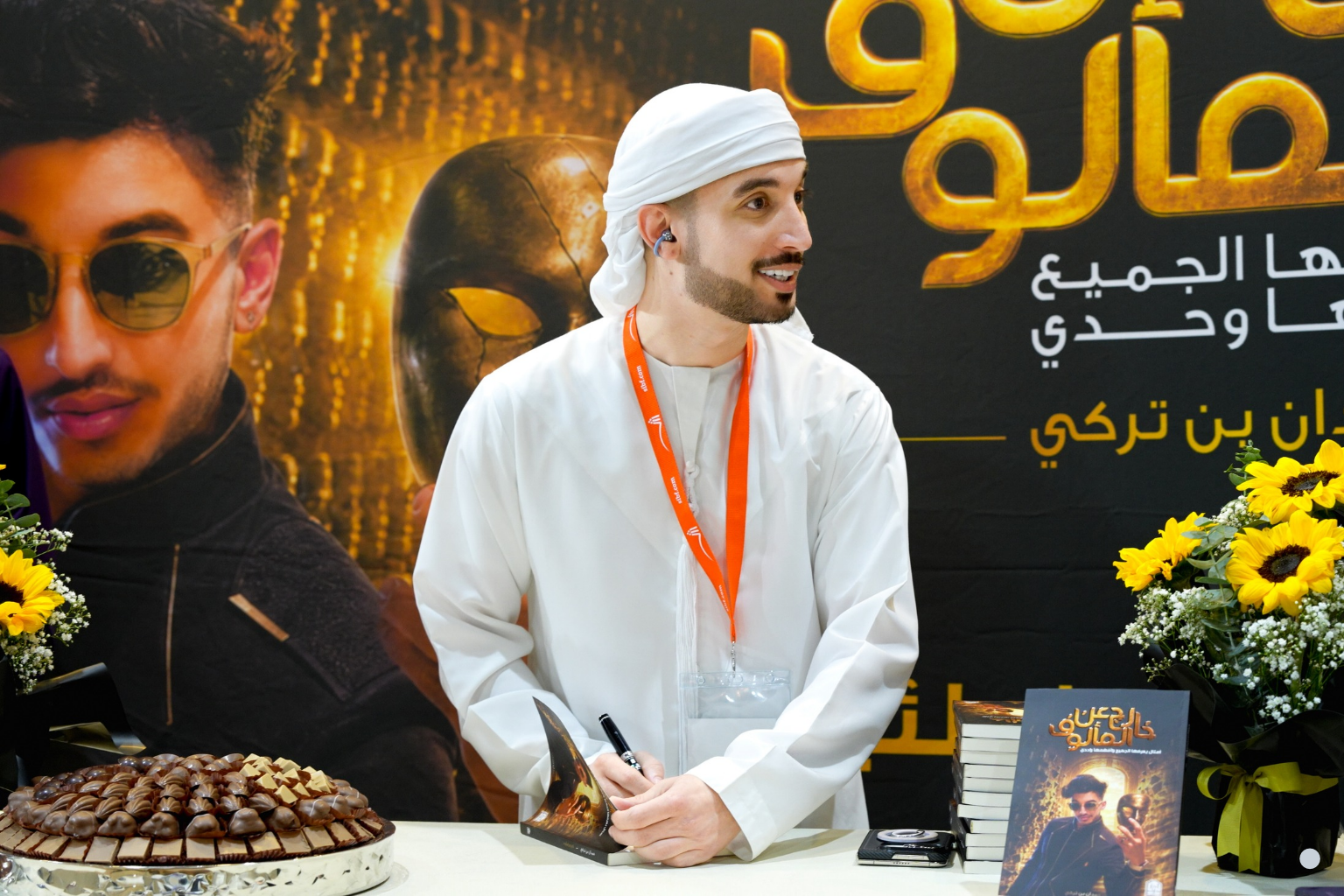


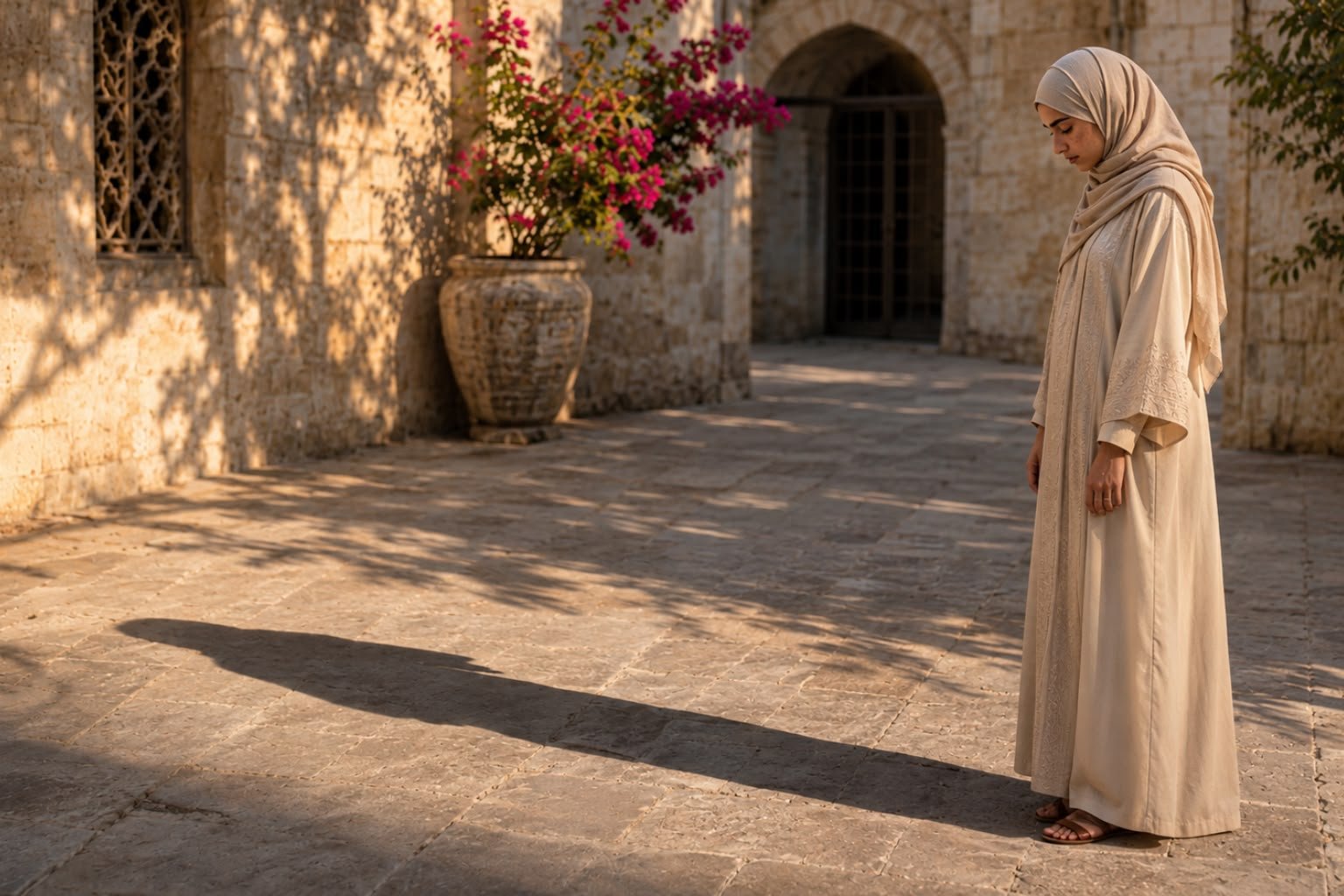
Hedia Mohammed Alsaman’s essay uses the everyday experience of seeing a shadow to explore fear, courage, faith and creation. It suggests that avoiding fear may not make it disappear, while facing it can make it easier to manage.
Drawing on Qur’anic references to shadows, the essay considers whether they have a deeper spiritual meaning. The idea that a shadow may be a living being is presented as the writer’s personal interpretation, not a scientific fact.
In her essay “The Shadow Is a Living Being,” the writer turns an everyday shadow into a simple but thoughtful discussion about courage, faith and the meaning of creation.
Have you ever tried to run away from your own shadow? You can walk faster, change direction or start running. But the shadow stays with you. It is such a normal part of life that most of us hardly think about it.
Writer Hedia Mohammed Alsaman begins with this familiar experience in her essay, “The Shadow Is a Living Being.” She uses it to ask questions about fear, faith and the world around us. Her writing is a reminder that even the smallest things can make us stop and think.
Hedia Mohammed Alsaman’s reflections offer three connected lessons: facing fear with courage, thinking about the Qur’anic references to shadows, and finding meaning in ordinary experiences. These themes shape her essay without claiming that its spiritual questions are scientific facts.
In this article
Hedia Mohammed Alsaman on facing fear
“Have you ever tried to separate yourself from your shadow?” Hedia asks. She wonders whether anyone can run far or fast enough to leave a shadow behind.
There is a message behind that question. People sometimes avoid a difficult conversation, a problem at work or a situation that makes them nervous. We may hope that ignoring it will make it disappear. Yet the worry can stay with us, just like a shadow.
Hedia also notices what happens when the sun is directly overhead. The shadow becomes smaller and rests close to our feet. She uses this change to explain why facing a fear may help us deal with it.
“Face what frightens you, and your fears will fade with time,” she writes. It is a short message, but one that many readers can understand. We may not be able to solve every problem at once. Taking the first step can still make something that once felt frightening seem easier to handle.
Hedia Mohammed Alsaman reflects on shadows in the Qur’an
From there, the essay moves to a question about faith. Does the sun create a shadow, Hedia asks, or does sunlight simply allow us to see it?
To explore this idea, she refers to Surah Ar-Ra’d, verse 13:15 in the Holy Qur’an. The verse describes those in the heavens and on Earth submitting to Allah, willingly or unwillingly, along with their shadows in the morning and evening.
The separate mention of shadows interests her. She asks what it means for a shadow to submit to Allah and why something we often overlook is included in the verse. These questions become part of her personal reflection on creation.
She also considers Surah Al-Furqan, verse 25:46, which speaks about shadows being drawn back gradually. Hedia Mohammed Alsaman connects the words with her own thoughts about life and the taking of souls, and wonders whether shadows may have a deeper existence.
This is the idea behind the title “The Shadow Is a Living Being.” It is important to understand that the suggestion that a shadow may be a living being is the writer’s personal spiritual interpretation. It is not an established scientific fact, and the essay presents the idea as a question to think about.
Finding meaning in things we see every day
The writer also thinks about the comfort of shade. On a hot day, a tree or a building can offer a cooler place to rest. We enjoy that relief without always asking how or why it happens.
For Hedia Mohammed Alsaman, moments like these are worth noticing. A shadow can bring comfort, create curiosity and remind people to look at ordinary things with fresh eyes. Her essay is less about finding one final answer and more about asking questions that matter to her.
The writing also makes room for a simple lesson about fear. If a shadow follows us wherever we go, perhaps some worries need to be faced rather than avoided. That does not mean fear always disappears quickly. It means we can learn to meet it with more courage.
Readers interested in how mindful everyday habits fit into a wider conversation about well-being can also explore our guide to wellness in the UAE.
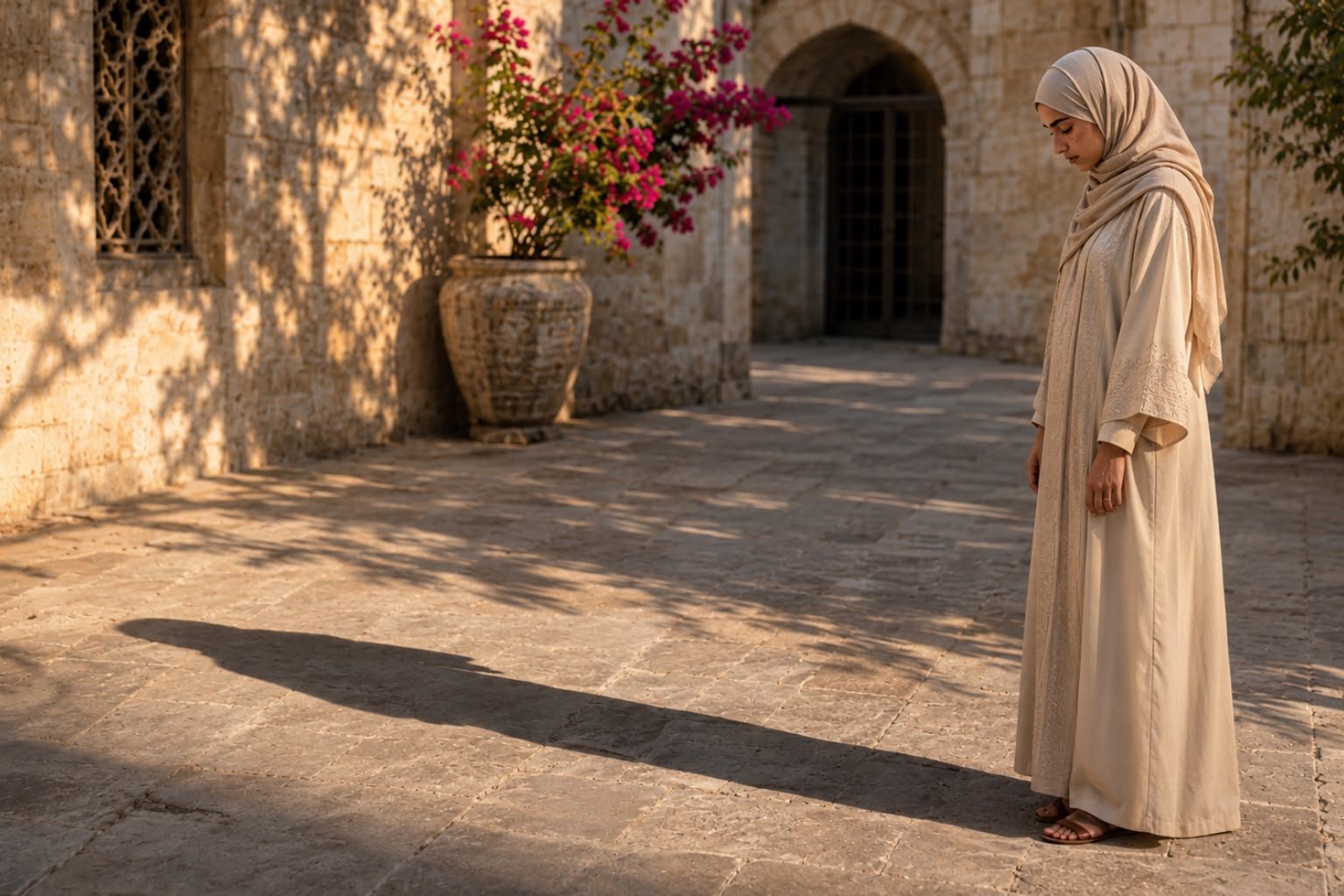
What readers can learn from Hedia Mohammed Alsaman’s essay
Hedia Mohammed Alsaman’s essay brings together three reflections that readers can consider in everyday life:
- Face fear rather than avoid it. Like a shadow, a worry may remain even when we try to run from it. Taking a manageable first step can make a difficult situation feel less overwhelming.
- Reflect on faith with curiosity. The Qur’anic references to shadows lead the writer to ask spiritual questions. Her suggestion that a shadow might be a living being remains her personal interpretation, not a scientific conclusion.
- Notice the meaning in ordinary moments. Changing shadows and welcome shade offer simple reminders to pay attention to the world around us.
These ideas work together because the essay moves from a daily observation to larger questions about courage and creation. Its value lies in curiosity and reflection rather than in claiming to prove that shadows are alive. Readers can consider the author’s interpretation while also understanding that a shadow is produced when an object blocks light.
A question to carry with us
By the end of the essay, Hedia Mohammed Alsaman brings readers back to everyday life. We are surrounded by things we know so well that we rarely stop to ask about them. A shadow is one of those things.
Her final question is a gentle invitation to be more curious: how often do we accept something as part of our lives without asking why it was created?
Sources and further reading
Qur’an 13:15 — Surah Ar-Ra’d on Quran.com
Qur’an 25:46 — Surah Al-Furqan on Quran.com