

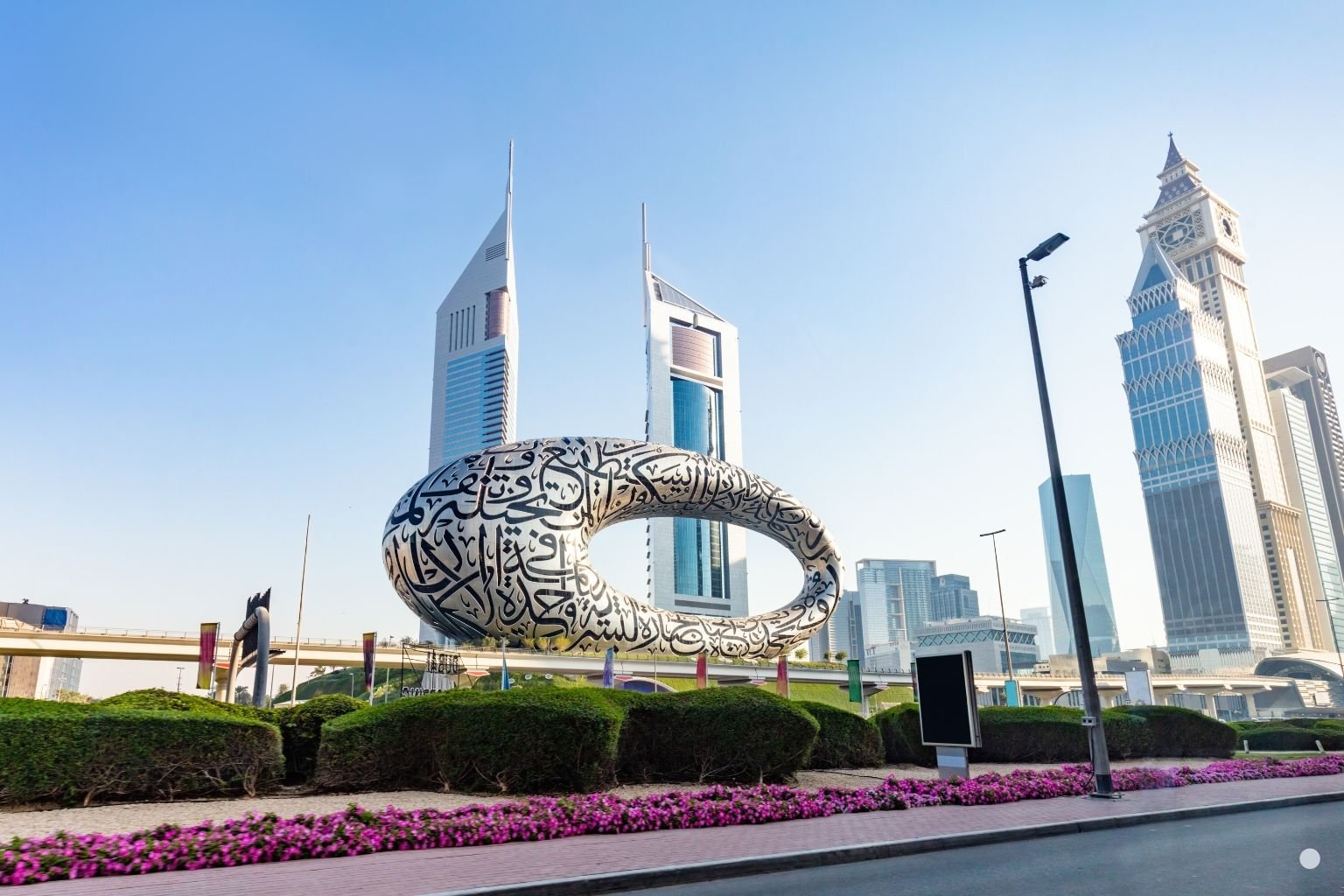


Entertainment is not a separate layer of Dubai’s appeal; it is part of how the city is encountered and enjoyed. For visitors, activities can give structure to a stay, connecting days spent among architectural landmarks, shopping districts, dining destinations, and hospitality venues. For residents, leisure options add variety to everyday routines and make the city feel accessible beyond its best-known sights.
The range of experiences is broad. Landmark attractions invite visitors to see Dubai from new perspectives, while museums, historic neighborhoods, and heritage-led activities offer ways to explore local stories and traditions. Indoor leisure venues provide alternatives for different schedules and preferences, including options suited to families, groups, and individuals. Together, these settings show how entertainment can complement the city’s built environment.
Family activities in Dubai can range from interactive attractions and play spaces to educational visits and shared cultural experiences. Their value lies not only in keeping younger visitors engaged, but also in creating opportunities for people of different ages to spend time together. Choices vary in setting and pace, allowing a leisure itinerary to be balanced with rest, meals, and other plans.
Immersive experiences, from interactive exhibitions to themed entertainment, also reflect the city’s interest in combining technology, design, and storytelling. These attractions can shape memorable moments without displacing the appeal of quieter cultural encounters or familiar leisure choices. This mix contributes to Dubai’s lifestyle appeal: a visitor may pair a landmark with a heritage visit, while a resident may choose an indoor venue for an afternoon out.
Dubai’s attractions help shape its identity by bringing striking contemporary architecture together with a broad range of leisure experiences. Observation decks offer a clear sense of the city’s scale, from dense urban districts and expansive desert edges to the coastline and surrounding waters. These elevated viewpoints make the skyline itself part of the visit, while also giving travelers a way to understand how the city has developed. Landmark buildings and carefully designed visitor spaces can appeal to those interested in architecture, photography, or simply seeing familiar neighborhoods from a different perspective.
Other attractions invite visitors to explore rather than look out. Large aquariums present marine habitats in immersive indoor settings, while theme parks combine rides, shows, and themed environments for guests seeking a more energetic day. Water parks offer slides, pools, and play areas, with experiences that may suit families or groups looking for time in the water. Such venues contribute to Dubai’s reputation as a destination for varied entertainment, but their scale and intensity mean they are not necessarily the right choice for every traveler. Individual interests, mobility, age, and comfort with crowds can all influence which experience feels worthwhile.
For a slower pace, gardens, landscaped outdoor spaces, and waterfront promenades provide room to walk, pause, and enjoy the city beyond its major buildings. Seasonal gardens can bring color and horticultural displays to an outing, while promenades connect cafés, public spaces, and views across the water. Together, these settings balance high-energy rides and panoramic viewpoints with relaxed outdoor recreation. Planning details matter: some experiences operate only during particular seasons, and others have age limits, access requirements, timed entry, advance-booking needs, or changing hours. Travelers should check current information directly before setting an itinerary, especially during holidays or periods of extreme heat. Considering the type of experience, location, and practical requirements helps visitors choose attractions that fit their schedule and preferences.
Dubai’s cultural experiences offer a perspective beyond its famous skyline, large-scale attractions and commercial leisure. Visitors can explore historic districts such as Al Fahidi, where lanes, courtyards and wind towers reveal aspects of the city’s earlier urban life. Museums and heritage venues provide further context, tracing Dubai’s development from a regional trading settlement into a contemporary global centre. These places are not simply pauses between headline attractions: they help travelers understand how geography, commerce and community have shaped the city over time. A guided walk can make architectural details and local histories easier to interpret, especially for first-time visitors.
Traditional markets, including the souks, bring another dimension to a visit. Browsing textiles, spices, gold or everyday goods offers a chance to observe how trade remains part of the city’s identity, while respectful questions can make encounters more meaningful. Sampling Emirati food, whether in a local restaurant or through a cultural program, introduces flavors and hospitality traditions that may be less visible in resort districts. Visitors should approach customs with curiosity and consideration, dress appropriately for the setting, and ask before photographing people. Such small choices help support positive exchanges and recognize that Dubai is both rooted in regional traditions and shaped by residents from many backgrounds.
Cultural programming can also enrich an itinerary. Performances, exhibitions and seasonal festivals may present music, crafts, storytelling or contemporary creative work, connecting heritage with present-day life. Availability varies across the year, so travelers should verify event schedules, opening hours, ticket requirements and venue details through current official sources before making plans. Pairing a heritage venue or guided neighborhood walk with a market visit and a cultural event creates a more rounded day than relying solely on major attractions. The result is a fuller understanding of Dubai’s varied character: a city whose rapid development exists alongside enduring customs, diverse communities and ongoing efforts to interpret its past for new generations.
Dubai’s entertainment offer can suit families and groups spanning several generations, with choices ranging from interactive attractions and indoor play centres to cinemas, parks, beaches and family-oriented dining. These options make it possible to plan outings around different interests and energy levels. An activity venue may engage younger visitors, while a nearby café or restaurant gives the group time to pause and reconnect. Events and performances can also provide a shared focus without requiring every family member to participate in the same way.
Seasonality can help guide decisions. During hotter periods, indoor attractions, cinemas and covered activity spaces may be practical choices, particularly when visitors want to limit time outdoors. In cooler months, parks, beachfront areas and other open-air settings may be especially appealing for walking, play and relaxed meals. Conditions, schedules and access arrangements vary, so these are planning considerations rather than guarantees. Checking local forecasts and venue information before setting out can help groups choose suitable activities and prepare accordingly.
Experiential venues add another dimension by inviting visitors to take part rather than simply observe. Interactive exhibitions, themed activities, hands-on attractions and live entertainment can encourage conversation and cooperation across age groups. Shared participation often gives an outing a stronger sense of occasion, whether a family is exploring an installation, attending a performance or trying a new activity together. Such experiences can become memorable points in a trip, while also offering residents fresh ways to mark a weekend or special event.
Entertainment therefore contributes both to tourism and to everyday lifestyle. Visitors planning a short stay can use attractions and events to shape an itinerary, while residents may turn to the same broad mix for recreation, social outings and family time. A balanced plan need not rely only on headline attractions: combining a major venue with cultural discovery, a meal and unstructured downtime can create a more varied experience. Before booking, check accessibility, age suitability, opening times and any reservation requirements, and allow flexibility for changing preferences or practical needs.